 Skip to content
Our Company
Kilimanjaro Climbers features a dedicated team of experienced professionals committed to exceptional service. Our climb Kilimanjaro Tanzania specialists bring years of expertise in mountain guide operations and logistics. Our management team oversees every detail, while our Kilimanjaro guides ensure safe, memorable summit experiences. We partner with premier Tanzania lodge accommodations offering comfort before and after your adventure. Our safari guide professionals provide wildlife expertise during complementary excursions, while our operations team coordinates all arrangements seamlessly. With comprehensive guest relations support, we prioritize your satisfaction throughout your transformative Kilimanjaro experience, creating unforgettable African adventures.
Management Team
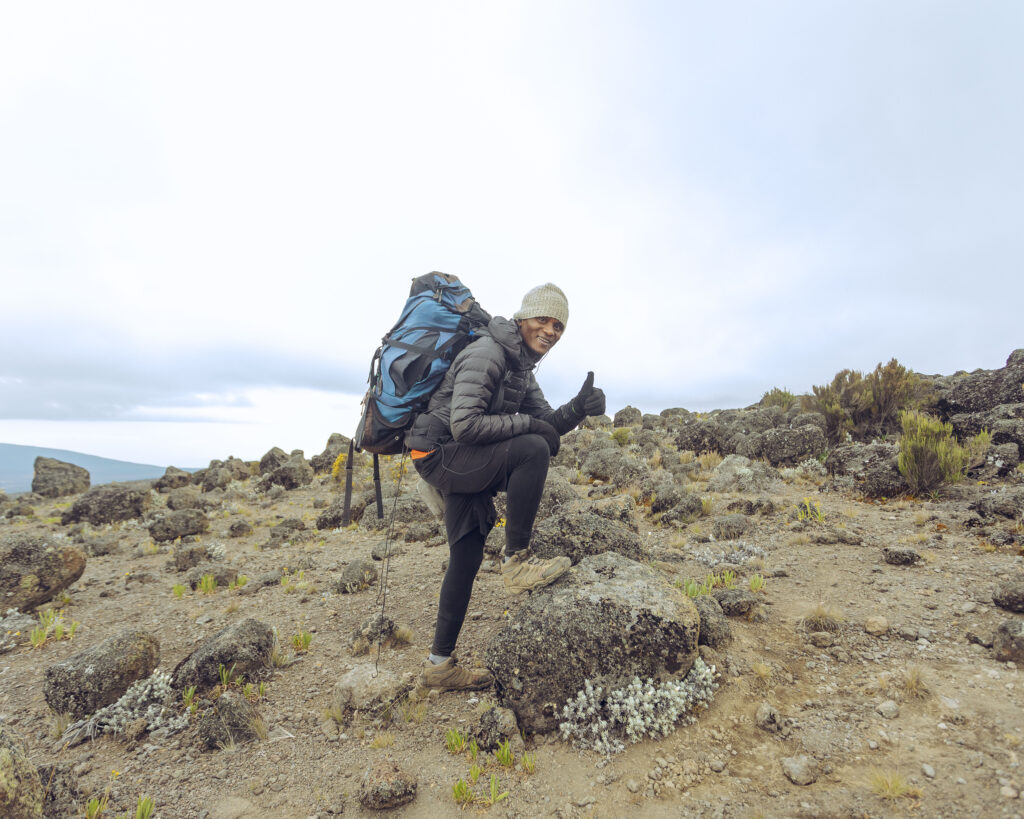
Baraka Kimario
Born and raised in Tanzania, Seka came from a pioneering tourism family from the base of Mount Kilimanjaro.
His legacy was inspired by his early passion for travel and shaped his deep knowledge of Tanzania’s landscapes and tourism industry. With years of hands-on experience, he has built a strong reputation for organizing safe, seamless, and personalized adventures he ensures every trip runs smoothly from start to the end.
He is committed to quality, trusted logistics, and deep local expertise allows me to deliver authentic, locally driven travel experiences that showcase the best of Tanzania.
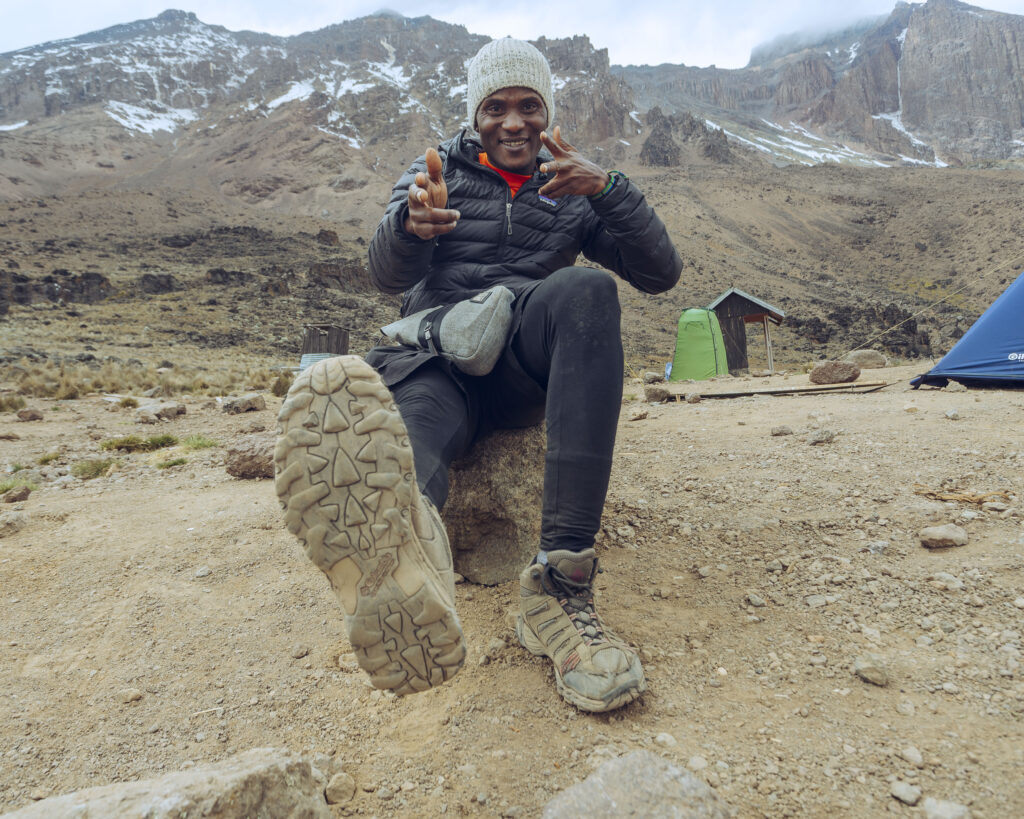
Baraka Kimario
She is responsible for briefings, trip planning, and organizing Mount Kilimanjaro climbing and wildlife safari expeditions.
She has been working full-time in this field since 2018, bringing over 6 years of experience to every client interaction. She has personally climbed Mount Kilimanjaro twice, giving her valuable firsthand insight that she shares with clients during their pre-climb briefings.
Her role includes welcoming clients upon arrival, providing comprehensive trip planning, offering detailed route explanations, and guiding them through essential preparation steps. This combination of personal climbing experience and professional expertise in client services allows her to answer questions with confidence and help climbers feel well-prepared and excited for their adventure.
She takes pride in delivering thorough, clear, and personalized briefings that set every climber up for a successful and memorable journey to the summit.
Our Kilimanjaro Climbing Guides
Our certified mountain guides are highly trained professionals committed to safe, memorable summits. Our experienced guides possess extensive knowledge of Kilimanjaro’s terrain, weather patterns, and altitude management. As dedicated trekking guides, they provide expert support throughout your journey. Our professional guides hold international certifications and speak multiple languages. Each safari guide prioritizes your safety and comfort. Our adventure specialists customize routes for all fitness levels. Our Tanzanian guides share rich cultural insights and environmental stewardship. Trust our certified guides to make your Kilimanjaro adventure extraordinary.
Baraka Kimario
Lorem ipsum dolor sit amet, consectetur adipiscing elit. Ut elit tellus, luctus nec ullamcorper mattis, pulvinar dapibus leo.
Baraka Kimario
Lorem ipsum dolor sit amet, consectetur adipiscing elit. Ut elit tellus, luctus nec ullamcorper mattis, pulvinar dapibus leo.
Baraka Kimario
Lorem ipsum dolor sit amet, consectetur adipiscing elit. Ut elit tellus, luctus nec ullamcorper mattis, pulvinar dapibus leo.
Baraka Kimario
Lorem ipsum dolor sit amet, consectetur adipiscing elit. Ut elit tellus, luctus nec ullamcorper mattis, pulvinar dapibus leo.
Baraka Kimario
Lorem ipsum dolor sit amet, consectetur adipiscing elit. Ut elit tellus, luctus nec ullamcorper mattis, pulvinar dapibus leo.
Baraka Kimario
Lorem ipsum dolor sit amet, consectetur adipiscing elit. Ut elit tellus, luctus nec ullamcorper mattis, pulvinar dapibus leo.
Baraka Kimario
Lorem ipsum dolor sit amet, consectetur adipiscing elit. Ut elit tellus, luctus nec ullamcorper mattis, pulvinar dapibus leo.
Baraka Kimario
Lorem ipsum dolor sit amet, consectetur adipiscing elit. Ut elit tellus, luctus nec ullamcorper mattis, pulvinar dapibus leo.
Our Tanzania Safari Driver Guides
At Kilimanjaro Climbers, our expert Tanzania safari guides are highly trained professionals dedicated to delivering unforgettable adventures across East Africa’s most spectacular landscapes. Our professional safari drivers combine extensive knowledge of wildlife behavior with exceptional driving skills, navigating pristine Tanzania safari routes with precision and care. Each experienced guide brings decades of local expertise, sharing fascinating insights about the region’s diverse ecosystems and cultural heritage. Our certified safari specialists prioritize safety and comfort while ensuring you experience the raw beauty of African wilderness. Whether leading safari expeditions through renowned national parks or crafting personalized Tanzania tour experiences, our knowledgeable naturalists remain committed to authentic, sustainable tourism. We pride ourselves on creating memorable encounters with Africa’s iconic wildlife and landscapes through professional excellence and genuine passion for conservation.
Baraka Kimario
Lorem ipsum dolor sit amet, consectetur adipiscing elit. Ut elit tellus, luctus nec ullamcorper mattis, pulvinar dapibus leo.
Baraka Kimario
Lorem ipsum dolor sit amet, consectetur adipiscing elit. Ut elit tellus, luctus nec ullamcorper mattis, pulvinar dapibus leo.
Baraka Kimario
Lorem ipsum dolor sit amet, consectetur adipiscing elit. Ut elit tellus, luctus nec ullamcorper mattis, pulvinar dapibus leo.
Baraka Kimario
Lorem ipsum dolor sit amet, consectetur adipiscing elit. Ut elit tellus, luctus nec ullamcorper mattis, pulvinar dapibus leo.
Our Vehicles/Car Fleet

Mount Kilimanjaro climbing FAQ's : Common Questions Asked
Kilimanjaro FAQs – Frequently Asked Questions
How long does it take to climb Mount Kilimanjaro?
Most climbers take 5-7 days to reach the summit. The standard Marangu route takes 5-6 days, while the Machame route typically requires 6-7 days. Longer routes like Lemosho or Rongai take 7-9 days. The additional time allows better acclimatization, increasing your chances of reaching Uhuru Peak successfully. Speed isn’t the goal; proper acclimatization reduces altitude sickness risk. Most operators recommend 6+ days for optimal success rates and enjoyable experiences.
What is the difficulty level of climbing Kilimanjaro?
Kilimanjaro is not technically difficult—it’s non-technical mountaineering requiring no climbing skills or special equipment. However, it’s physically demanding and challenging due to altitude, weather, and steep terrain. Fitness level matters significantly; cardio training helps tremendously. The main challenge is altitude sickness rather than technical difficulty. Most reasonably fit people can summit with proper training, acclimatization, and determination. Prepare with regular aerobic exercise, hiking, and mental preparation for 4-6 weeks beforehand.
What is the best time to climb Mount Kilimanjaro?
The best climbing seasons are January-February and September-October, offering clear skies and stable weather. June-August is the dry season but cloudier. December-March experiences afternoon rains but fewer crowds. The peak seasons (July-August and December-January) are busier and more expensive. Late September and early October offer excellent conditions with fewer climbers. Avoid April-May and November due to heavy rains reducing visibility. Choose based on your weather preferences, budget, and crowd tolerance. Any season is climbable with proper preparation and acclimatization.
How much does it cost to climb Mount Kilimanjaro?
Costs typically range from $2,000-$5,000+ depending on route, operator, accommodation type, and group size. Budget operators cost $1,500-$2,500, mid-range $2,500-$4,000, and luxury operators $4,000-$10,000+. The price includes park fees ($70), guide services, porters, meals, camping/hut accommodation, and transportation. Longer routes cost more due to additional nights. Quality matters significantly; cheaper operators often provide inadequate services and high failure rates. Investing in reputable operators ensures safety, comfort, and better summit success rates.
What altitude sickness symptoms should I expect?
Altitude sickness symptoms include headaches, nausea, fatigue, dizziness, and difficulty sleeping. Most climbers experience mild symptoms above 2,500 meters. Acute Mountain Sickness (AMS) is common but usually manageable with proper acclimatization. Severe cases involve High Altitude Cerebral Edema (HACE) or High Altitude Pulmonary Edema (HAPE), requiring immediate descent. Prevent symptoms by ascending slowly, staying hydrated, eating well, and using acclimatization medication (Diamox). Don’t rush; listen to your body. If symptoms worsen, descend immediately. Most climbers successfully manage altitude with proper pacing and preparation.
What should I pack for Kilimanjaro?
Pack for extreme temperature variations: bring warm layers, rain gear, and sun protection. Essential items include quality hiking boots, sleeping bag, moisture-wicking clothing, hat, gloves, and sunscreen. Bring high-altitude medications (Diamox), first-aid supplies, and personal toiletries. Pack snacks, electrolyte tablets, and a refillable water bottle. Avoid heavy luggage; porters carry most gear but limit daily backpack to 5-7 kg. Rent gear locally if flying internationally. Quality equipment significantly impacts comfort and success. Many operators provide camping equipment; verify beforehand what’s included versus what you must bring.
What gear do I need, and can I rent it?
You need warm, layered clothing (base, mid, waterproof outer), good boots, sleeping bag, hat, gloves, headlamp, and sunscreen. Most gear, like down jackets and sleeping bags, can be rented in Tanzania.
Are there medical concerns or contraindications?
Generally healthy people can climb, but certain conditions require medical clearance. Avoid climbing if pregnant, recently ill, or having severe heart/lung conditions. High blood pressure, diabetes, and asthma are manageable with proper medication and monitoring. Get a medical check-up before attempting the climb. Inform your guide of any health conditions. Ensure travel and rescue insurance covers high-altitude climbing. Climbers taking medications should consult doctors about altitude effects. Descent resolves most altitude-related issues. Pre-climb fitness and acclimatization minimize medical risks significantly.
What climbing routes are available?
Kilimanjaro offers seven main routes: Marangu (hut-based, 5-6 days), Machame (scenic, 6-7 days), Lemosho (longest, 7-9 days), Rongai (northern approach, 6-7 days), Umbwe (steep, 6 days), Mweka (descent-only), and Londorosi (8 days). Each offers different scenery, difficulty, and acclimatization advantages. Marangu is most popular but most crowded. Machame and Lemosho provide excellent acclimatization and stunning views. Choose based on duration, fitness level, and experience preferences. Longer routes have higher summit success rates due to better acclimatization opportunities.
