
Mount Kilimanjaro Climbing Tours & Expeditions
We are local licensed Tour Operator offering Affordable Group & Private Climbing Expeditions
With our professional and certified Mount Kilimanjaro guides, well-planned Kilimanjaro hiking routes, and full climbing support, your journey to the Roof of Africa is always safe, inspiring, and truly rewarding. Don’t wait — start your Plan to Climb Kilimanjaro now with us and create memories you’ll have forever.
Climbing Kilimanjaro - Summit Mount Kilimanjaro Tours
Kilimanjaro Trekking Packages - All Routes Available
"Your Complete Kilimanjaro Climbing Journey with Kilimanjaro Climbers"
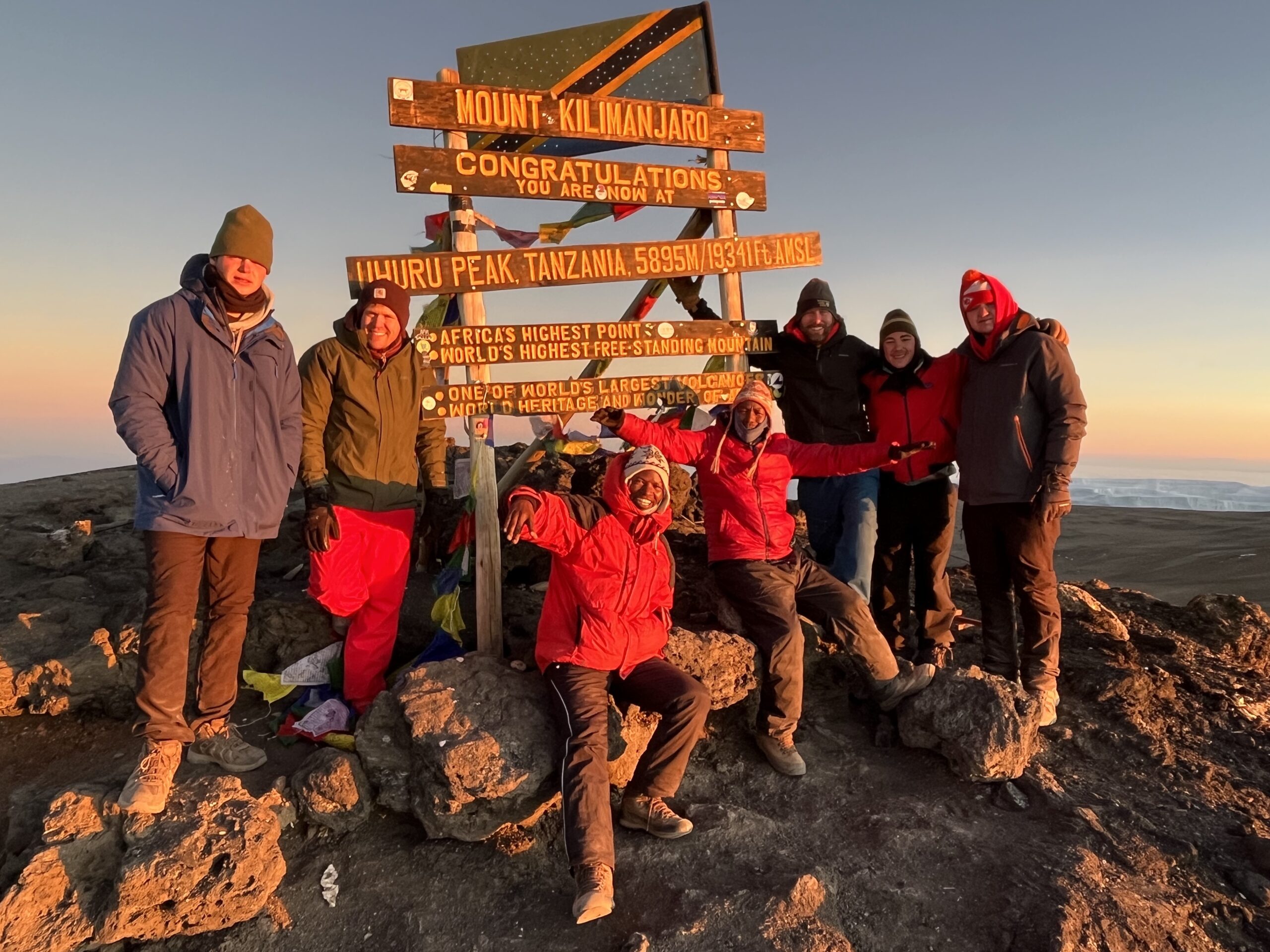
Climbing Mount Kilimanjaro begins months before departure with selecting your preferred route—Machame, Lemosho, or Marangu—and booking with reputable tour operators. Physical preparation and gathering proper gear are essential. Upon arrival in Tanzania, you’ll meet your experienced guides and porters who ensure safety throughout the ascent. The multi-day trek traverses diverse climate zones, from rainforest to arctic conditions. Acclimatization days help prevent altitude sickness as you approach Uhuru Peak at 5,895 meters. Summit night demands mental fortitude, rewarded by breathtaking sunrise views. Descent follows, concluding with celebration certificates and unforgettable memories of conquering Africa’s highest mountain.
At Kilimanjaro Climbers, We don’t just take you to the summit—we craft an unforgettable Mount Kilimanjaro climbing experience that blends challenge and breathtaking beauty. Here’s what you can expect on your journey to reach the “Highest Mountain in Africa.”
- Pre-Trek Preparation
We assess your fitness level and recommend the best route and get a detailed gear list and tips on what to bring and assistance with travel requirements.
- Arrival in Tanzania
Warm welcome at Kilimanjaro International Airport (JRO) follwed by pre-trek briefing & relax in Moshi/Arusha, meet your crew, and review the climb.
- The Climb Begins
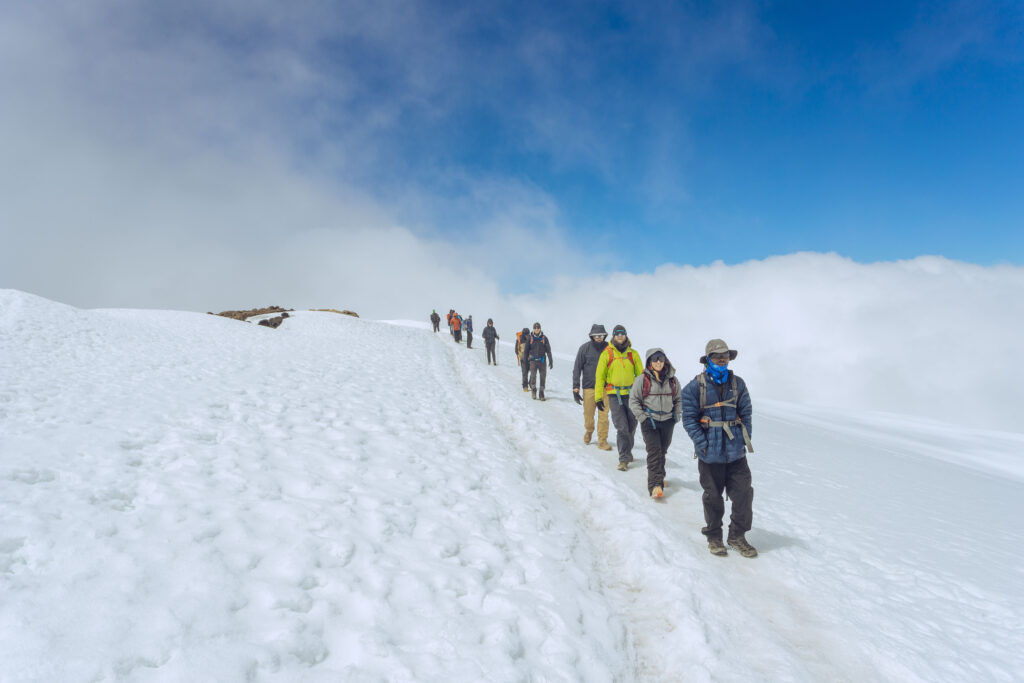
Each day brings new landscapes and challenges as you ascend through Kilimanjaro’s five climatic zones which are Rainforest Zone, Heath & Moorland, Alpine Desert, Arctic Zone and Uhuru Peak – Victory!
- Descent & Celebration
Descend safely with fewer acclimatization risks & Receive your summit certificate and toast to your achievement, There is optional extensions of Safari, Zanzibar beach relaxation, or cultural tours.
Kilimanjaro Climbing Packages
Affordable Kilimanjaro Tour Itineraries with prices

7 Days Lemosho Route
- Mt. Kilimanjaro

6 Days Marangu Route
- Mt. Kilimanjaro
7 Days Machame Route
- Mt. Kilimanjaro
Why Trekking with Kilimanjaro Climbers?
- RELIABLE OPERATOR
Whether it’s porter treatment, caring for the environment or supporting local charities we do everything you would want from an ethical operator.
- EXPERT GUIDES
- We have handpicked mountain climbing guides from Kilimanjaro Climbers that are Professional, experienced, licensed Mountain guides
- Honest, hardworking, team-oriented support staff
- QUALITY SERVICE
Best climbing service with delicious meals made from fresh, local ingredients and clean water.
- SAFETY FIRST
- Daily pulse and oxygen saturation monitoring
- Emergency oxygen and medical kits
- High summit success rates and client satisfaction
Kilimanjaro Climbers has exceptionally qualified guides, rigorous safety protocols, and more safety equipment than any other Coompany.
- VALUE FOR MONEY
Unlike nearly everyone else you find on the internet we actually run our climbs ourselves and with no middleman you get a high quality climb at a great value price.
- SUPERB SUPPORT
As specialists in high altitude trekking we know how to help you reach the summit successfully. Our great guides, great food and comfortable tents make a big difference.
Best Kilimanjaro Hiking & Tanzania Safari Combos
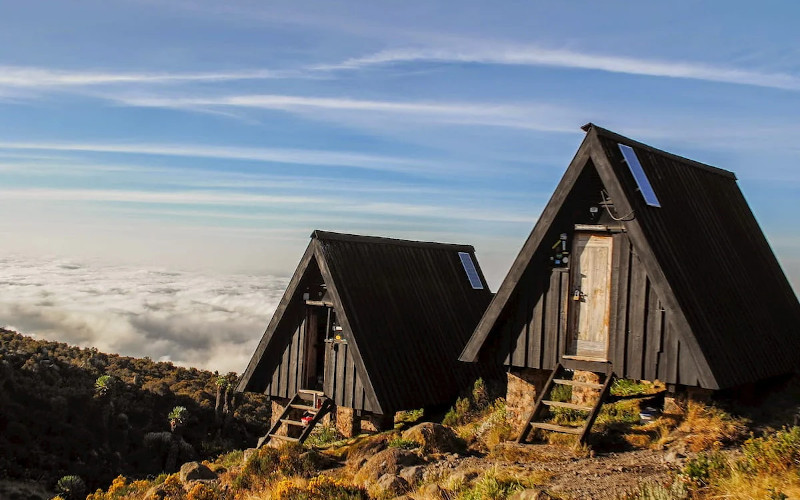
Climb Kilimanjaro & Tanzania Lodge Safari
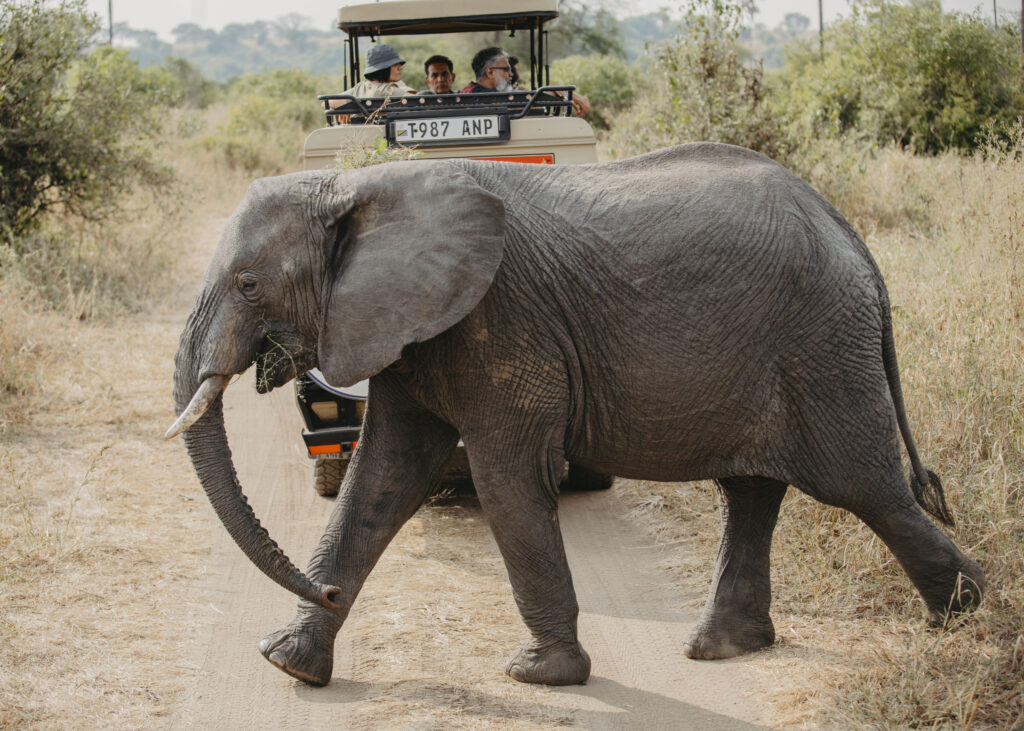
Climb Kilimanjaro & Tanzania Camping Safari
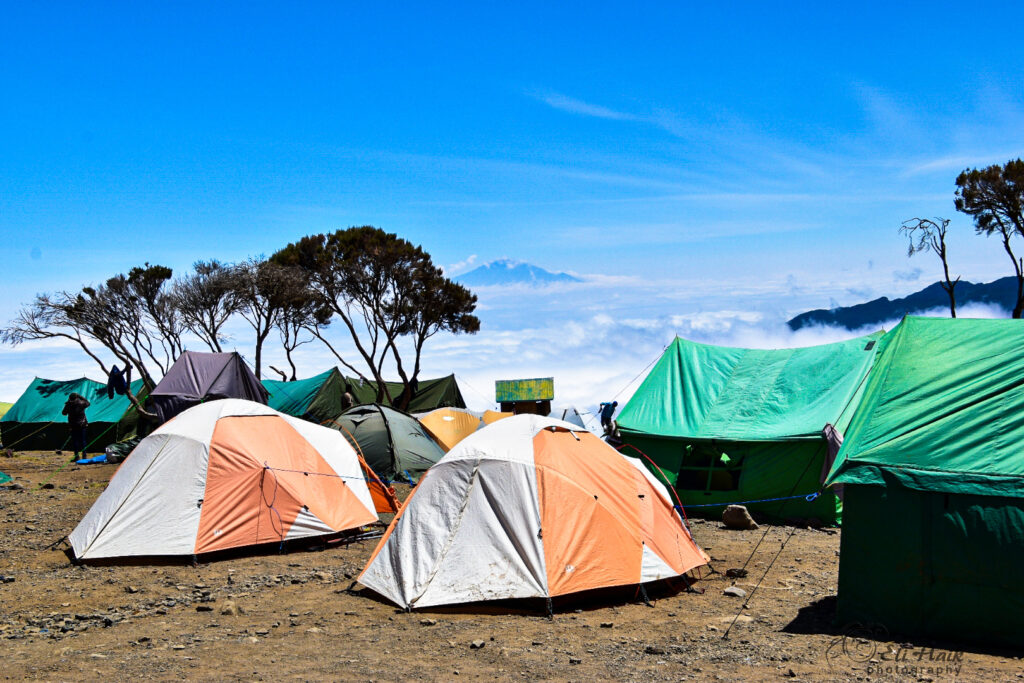
Climb Kilimanajro & Zanzibar Beach Holidays
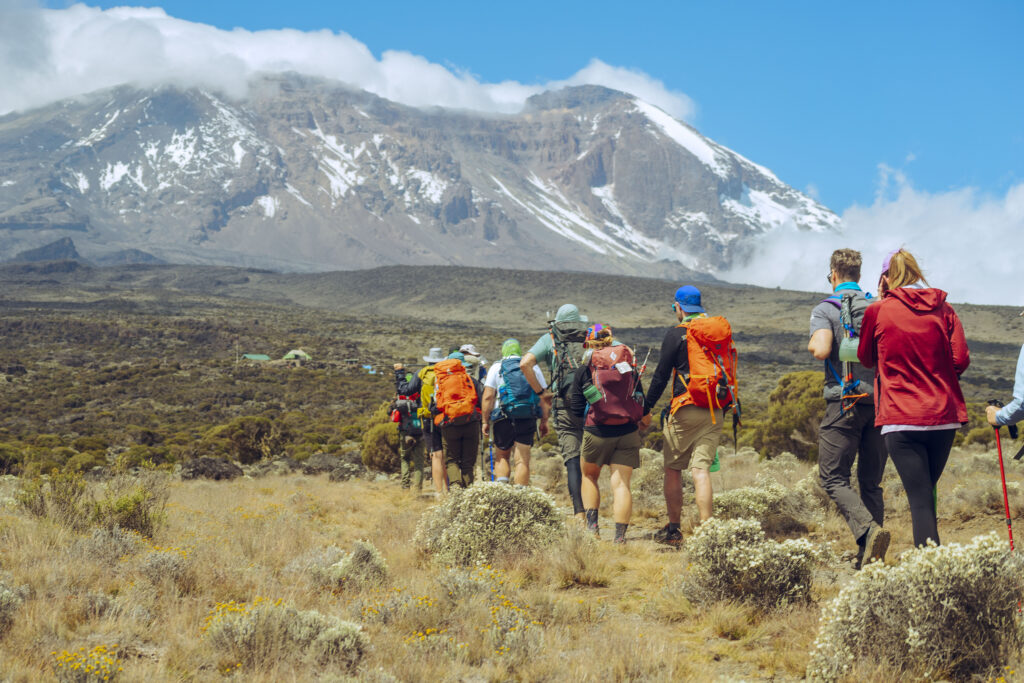
Kenya & Tanznaia Adventure Safari
Kenya Safari & Kilimanjaro Climb Tour
Luxury Climb Kilimanjaro & Tanzania Luxury Safari
When is the best time to climb Kilimanjaro?
January - March
Dry and quiet
April - May
Quiet but wet
June - October
Warm and dry but busy
November - December
Some rain and colder
Private climb, Join a group for Kilimanjaro or for charity?
We offer three expedition styles to climb Kilimanjaro: private climbs, open groups, and Kilimanjaro charity challenges. Whichever you choose, our experienced team will help you achieve your goal of climbing Kilimanjaro: Africa’s highest mountain.
Book Your Kilimanjaro Climb
Private climbs
Private trips to climb Kilimanjaro are your tailor-made adventure, giving you total flexibility and the highest chance of success. Just choose your date, route, and any of our tailor-made options. Perfect for a group of friends or a charity group or a couple looking to celebrate a special birthday or anniversary. Upgrades to private climbs have an additional cost depending on the size of the group. The good thing about private Kilimanjaro climbs is that you can add a Tanzania safari adventure that can take you to the most popular parks in the country like Serengeti, Ngorongoro or Tarangire National Park to your trip or a nice relaxation at the beach with a Zanzibar beach holiday extension
Daily group joining climbs
If you want to be in the company of other trekkers while you climb Kilimanjaro then joining an open group climb is perfect for you. Our group climbs run every week during the main climbing season from June – October and December – March. They are limited to a maximum of 12 climbers to make sure you get the best chance of summit success. Particularly popular are our open group full moon climbs which run every month.
Charity challenges to climb Kilimanjaro
We do not offer complicated sponsor-funded climbs, just great value, tailor-made challenges so that more of the money you raise goes to charity. We also offer our charity climbers special low deposits so that they can get on with fundraising for their chosen charity while our PR team offers a helping hand to promote their Mount Kilimanjaro charity challenge.
FAQ's of Mount Kilimanjaro climbing: Frequently Questions Asked
Kilimanjaro FAQs – Answers to Your Top Climbing Questions
How long does it take to climb Mount Kilimanjaro?
Most climbers take 5-7 days to reach the summit. The standard Marangu route takes 5-6 days, while the Machame route typically requires 6-7 days. Longer routes like Lemosho or Rongai take 7-9 days. The additional time allows better acclimatization, increasing your chances of reaching Uhuru Peak successfully. Speed isn’t the goal; proper acclimatization reduces altitude sickness risk. Most operators recommend 6+ days for optimal success rates and enjoyable experiences.
What is the difficulty level of climbing Kilimanjaro?
Kilimanjaro is not technically difficult—it’s non-technical mountaineering requiring no climbing skills or special equipment. However, it’s physically demanding and challenging due to altitude, weather, and steep terrain. Fitness level matters significantly; cardio training helps tremendously. The main challenge is altitude sickness rather than technical difficulty. Most reasonably fit people can summit with proper training, acclimatization, and determination. Prepare with regular aerobic exercise, hiking, and mental preparation for 4-6 weeks beforehand.
What is the best time to climb Mount Kilimanjaro?
The best climbing seasons are January-February and September-October, offering clear skies and stable weather. June-August is the dry season but cloudier. December-March experiences afternoon rains but fewer crowds. The peak seasons (July-August and December-January) are busier and more expensive. Late September and early October offer excellent conditions with fewer climbers. Avoid April-May and November due to heavy rains reducing visibility. Choose based on your weather preferences, budget, and crowd tolerance. Any season is climbable with proper preparation and acclimatization.
How much does it cost to climb Mount Kilimanjaro?
Costs typically range from $2,000-$5,000+ depending on route, operator, accommodation type, and group size. Budget operators cost $1,500-$2,500, mid-range $2,500-$4,000, and luxury operators $4,000-$10,000+. The price includes park fees ($70), guide services, porters, meals, camping/hut accommodation, and transportation. Longer routes cost more due to additional nights. Quality matters significantly; cheaper operators often provide inadequate services and high failure rates. Investing in reputable operators ensures safety, comfort, and better summit success rates.
What altitude sickness symptoms should I expect?
Altitude sickness symptoms include headaches, nausea, fatigue, dizziness, and difficulty sleeping. Most climbers experience mild symptoms above 2,500 meters. Acute Mountain Sickness (AMS) is common but usually manageable with proper acclimatization. Severe cases involve High Altitude Cerebral Edema (HACE) or High Altitude Pulmonary Edema (HAPE), requiring immediate descent. Prevent symptoms by ascending slowly, staying hydrated, eating well, and using acclimatization medication (Diamox). Don’t rush; listen to your body. If symptoms worsen, descend immediately. Most climbers successfully manage altitude with proper pacing and preparation.
What should I pack for Kilimanjaro?
Pack for extreme temperature variations: bring warm layers, rain gear, and sun protection. Essential items include quality hiking boots, sleeping bag, moisture-wicking clothing, hat, gloves, and sunscreen. Bring high-altitude medications (Diamox), first-aid supplies, and personal toiletries. Pack snacks, electrolyte tablets, and a refillable water bottle. Avoid heavy luggage; porters carry most gear but limit daily backpack to 5-7 kg. Rent gear locally if flying internationally. Quality equipment significantly impacts comfort and success. Many operators provide camping equipment; verify beforehand what’s included versus what you must bring.
What gear do I need, and can I rent it?
You need warm, layered clothing (base, mid, waterproof outer), good boots, sleeping bag, hat, gloves, headlamp, and sunscreen. Most gear, like down jackets and sleeping bags, can be rented in Tanzania.
Are there medical concerns or contraindications?
Generally healthy people can climb, but certain conditions require medical clearance. Avoid climbing if pregnant, recently ill, or having severe heart/lung conditions. High blood pressure, diabetes, and asthma are manageable with proper medication and monitoring. Get a medical check-up before attempting the climb. Inform your guide of any health conditions. Ensure travel and rescue insurance covers high-altitude climbing. Climbers taking medications should consult doctors about altitude effects. Descent resolves most altitude-related issues. Pre-climb fitness and acclimatization minimize medical risks significantly.
What climbing routes are available?
Kilimanjaro offers seven main routes: Marangu (hut-based, 5-6 days), Machame (scenic, 6-7 days), Lemosho (longest, 7-9 days), Rongai (northern approach, 6-7 days), Umbwe (steep, 6 days), Mweka (descent-only), and Londorosi (8 days). Each offers different scenery, difficulty, and acclimatization advantages. Marangu is most popular but most crowded. Machame and Lemosho provide excellent acclimatization and stunning views. Choose based on duration, fitness level, and experience preferences. Longer routes have higher summit success rates due to better acclimatization opportunities.
Are there medical concerns or contraindications?
Generally healthy people can climb, but certain conditions require medical clearance. Avoid climbing if pregnant, recently ill, or having severe heart/lung conditions. High blood pressure, diabetes, and asthma are manageable with proper medication and monitoring. Get a medical check-up before attempting the climb. Inform your guide of any health conditions. Ensure travel and rescue insurance covers high-altitude climbing. Climbers taking medications should consult doctors about altitude effects. Descent resolves most altitude-related issues. Pre-climb fitness and acclimatization minimize medical risks significantly.
Where to stay during, before and after your Mount Kilimanjaro climb?
Planning your Kilimanjaro climb requires selecting ideal accommodation in Moshi or Arusha. Most trekkers arrive days before their summit attempt to acclimatize and arrange climbing gear. Popular hotels near Kilimanjaro National Park offer comfortable rooms, experienced tour operators, and essential services for mountaineers. Pre-climb stays typically include briefings about your chosen Kilimanjaro route—whether Machame, Lemosho, or Marangu. Post-climb, celebratory lodges provide well-deserved rest after conquering Uhuru Peak. Many accommodations offer package deals including airport transfers, equipment rental, and connections to licensed guides. Budget guesthouses to luxury resorts cater to every climber’s needs, ensuring your Mount Kilimanjaro expedition begins and ends comfortably while you prepare for Africa’s highest peak.